Gum bacteria and Alzheimer’s disease: Unravelling the connection
admin
9:58 AM
November 11, 2024
A number of studies have investigated the potential connection between gum bacteria and Alzheimer’s disease, highlighting the role of specific bacteria commonly found in periodontal disease. One of the most significant findings involves a bacterium known as Porphyromonas gingivalis (P. gingivalis). This pathogen is often associated with chronic gum disease and has been found in the brains of Alzheimer’s patients.
I recent years, researchers have been turning their attention to an unexpected culprit in the rise of Alzheimer’s disease: our oral health. Specifically, the bacteria that inhabit our gums might have a more profound impact on our brain health than we previously realised. In this post, we explore the fascinating relationship between gum bacteria and Alzheimer’s disease, discussing the latest findings and what they mean for our understanding of this debilitating condition.
Understanding Alzheimer’s disease
Before delving into the connection with gum bacteria, let us take a moment to understand Alzheimer’s disease itself. Alzheimer’s is a progressive neurological disorder that primarily affects older adults, leading to memory loss, cognitive decline and changes in behaviour. It is the most common form of dementia, affecting millions globally.
The exact cause of Alzheimer’s remains a mystery, but it is believed to involve a complex interplay of genetic, environmental, and lifestyle factors. Key pathological features of the disease include the accumulation of amyloid plaques and tau tangles in the brain, which disrupt communication between neurons and ultimately lead to cell death.
Role of oral health in overall wellbeing
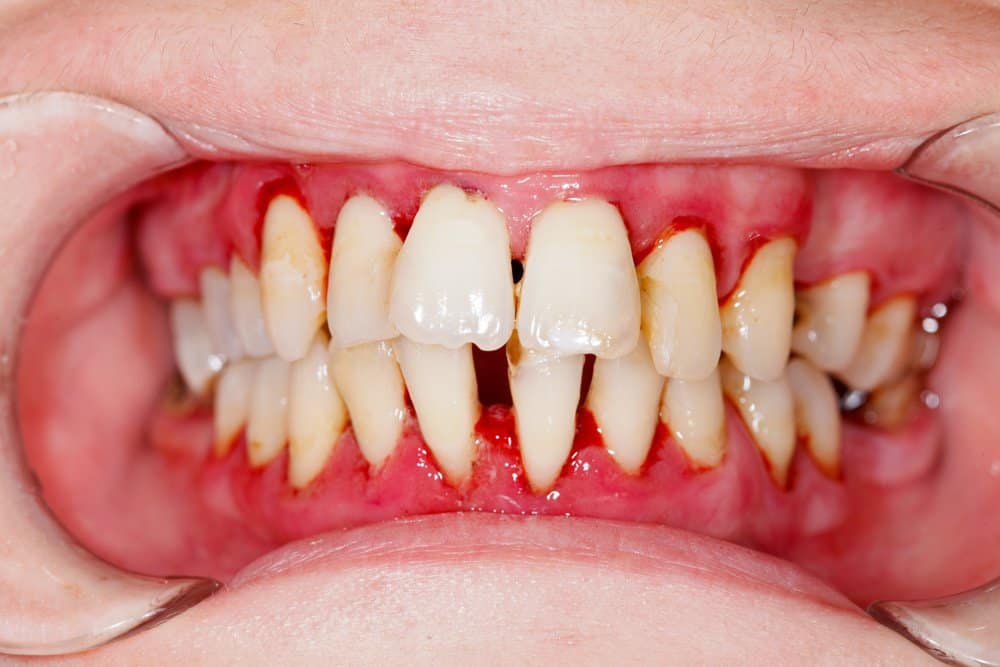
Oral health is often underestimated in its influence on overall wellbeing. Poor dental hygiene can lead to gum disease (periodontal disease), which affects the tissues supporting the teeth. This condition is caused primarily by the build-up of plaque, a sticky film of bacteria. If not addressed, gum disease can result in inflammation and infection, leading to tooth loss and other serious health issues.
Recent studies have revealed that oral health extends beyond the mouth, impacting systemic health. Conditions such as cardiovascular disease, diabetes, and even respiratory diseases have been linked to poor oral hygiene. This growing body of evidence suggests that the bacteria residing in our mouths can have far-reaching effects on our bodies, including our brains.
The link between gum bacteria and Alzheimer’s disease
A number of studies have investigated the potential connection between gum bacteria and Alzheimer’s disease, highlighting the role of specific bacteria commonly found in periodontal disease. One of the most significant findings involves a bacterium known as Porphyromonas gingivalis (P. gingivalis). This pathogen is often associated with chronic gum disease and has been found in the brains of Alzheimer’s patients.
P. gingivalis and inflammation
Research has shown that P. gingivalis can trigger an inflammatory response not only in the gums but also in the brain. When the immune system reacts to the presence of this bacterium, it releases inflammatory markers. Chronic inflammation in the brain is thought to contribute to the development of Alzheimer’s disease, as it can exacerbate the formation of amyloid plaques and tau tangles.
Pathway to the brain
So, how does gum bacteria make its way to the brain? The oral cavity is closely connected to the rest of the body through various pathways. One significant route is the bloodstream. When bacteria from the gums enter the bloodstream, they can travel to different organs, including the brain. In fact, studies have detected P. gingivalis DNA in brain tissue of Alzheimer’s patients, suggesting that this bacterium might contribute to the disease's progression.
Other bacteria of interest
While P. gingivalis has garnered much attention, it is not the only bacterium worth noting. Other oral pathogens, such as *Fusobacterium nucleatum* and *Treponema denticola*, have also been implicated in both periodontal disease and neurodegenerative conditions. These bacteria may contribute to inflammation and other mechanisms that negatively impact brain health.
Implications for prevention and treatment
Given the emerging evidence linking gum bacteria and Alzheimer’s disease, what does this mean for prevention and treatment? Here are some key considerations:
Prioritising oral hygiene
Maintaining good oral hygiene may play a crucial role in preventing the onset of Alzheimer’s disease. Regular brushing, flossing and dental check-ups can help minimise the risk of gum disease. It is essential to remove plaque effectively to reduce the chances of harmful bacteria entering the bloodstream.
Role of diet
A balanced diet rich in nutrients can support oral and overall health. Foods high in antioxidants, such as fruits and vegetables, can help combat inflammation. Additionally, omega-3 fatty acids, found in fish and flaxseeds, are thought to have protective effects on brain health.
Research and future directions
While we are just beginning to understand the connection between gum bacteria and Alzheimer’s, ongoing research will be critical in uncovering more about this relationship. Scientists are exploring whether targeted treatments for periodontal disease could potentially reduce the risk or slow the progression of Alzheimer’s.
Clinical trials are underway to investigate the effectiveness of antimicrobial agents that target specific oral bacteria. If successful, these treatments could offer new avenues for prevention and management of Alzheimer’s.
Holistic approaches to health
The connection between oral health and Alzheimer’s reinforces the importance of a holistic approach to health. Individuals should consider their oral hygiene as part of their overall health strategy. Regular check-ups with dentists and medical professionals can help catch issues early and promote a healthier lifestyle.
Conclusion
The relationship between gum bacteria and Alzheimer’s disease is a burgeoning area of research that holds promise for future preventative and therapeutic strategies. As we continue to uncover the links between oral health and brain health, it becomes increasingly clear that maintaining good oral hygiene is more important than ever.
By prioritising our dental care, we may not only preserve our smiles but also protect our cognitive function as we age. While the journey to fully understand Alzheimer’s disease is ongoing, the evidence thus far encourages us to take our oral health seriously, making it an integral part of our overall health and wellbeing.
As more research unfolds, it is vital for everyone (healthcare professionals and individuals alike) to remain informed and proactive about their health. In doing so, we may yet uncover effective ways to combat one of the most challenging diseases of our time.