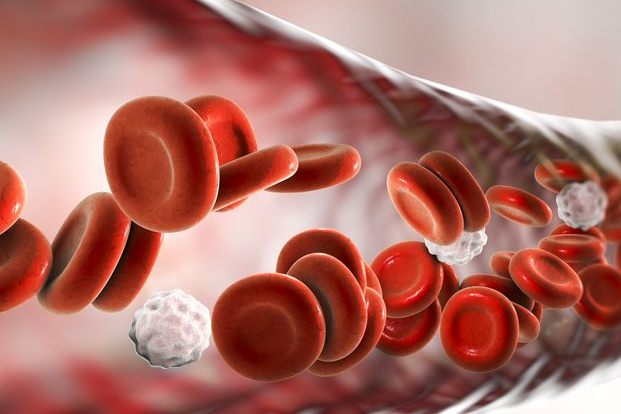
Mutation stands in the way of healthy blood cell maturation
admin
9:54 AM
November 11, 2024
Blood cells play a vital role in our overall health, carrying oxygen, fighting infections and contributing to our body’s immune response. However, recent research has uncovered a concerning issue: specific mutations can impede the proper maturation of blood cells, leading to serious health consequences. In this blog post, we explore how these mutations affect blood cell development and what this means for patients and healthcare.
Understanding blood cell maturation
Blood cells are produced in the bone marrow through a process called haematopoiesis. This complex maturation involves several stages, during which stem cells develop into various types of blood cells, including red blood cells, white blood cells and platelets. Each type of blood cell has a unique function, and proper maturation is essential for maintaining a healthy immune system and overall bodily function.
Impact of mutations
Mutations are changes in the DNA sequence that can occur naturally or due to environmental factors. While some mutations have no significant effect, others can disrupt the delicate process of blood cell maturation. Certain genetic mutations have been linked to conditions such as leukaemia and other blood disorders.
●Genetic drivers:
Research has identified specific mutations that act as "roadblocks" during the maturation of blood cells. For instance, mutations in genes like *TP53* and *NPM1* can interfere with normal cellular functions, leading to improper development. This can result in the production of immature or dysfunctional blood cells, compromising the body's ability to fight infections and transport oxygen effectively.
●Consequences for health:
When blood cells fail to mature correctly, the effect can be severe. Patients may experience anaemia, increased susceptibility to infections, or abnormal bleeding due to a lack of fully functional blood cells. In some cases, these mutations can lead to the development of aggressive blood cancers, further complicating treatment options and patient outcomes.
Present research and treatments
Ongoing research aims to better understand how these mutations disrupt blood cell maturation. By identifying the underlying mechanisms, scientists hope to develop targeted therapies that can correct or compensate for these genetic abnormalities.
●Targeted therapies:
This includes cardiovascular workouts, strength training and flexibility exercises. A well-rounded fitness programme will typically incorporate various elements to improve overall health and performance
●Gene therapy:
Gene therapy is another innovative approach being explored. By introducing corrected versions of mutated genes into affected blood cells, researchers hope to restore normal maturation processes. While still in experimental stages, this technique holds promise for treating genetic blood disorders at their source.
●Supporting patients:
For patients affected by mutations that hinder blood cell maturation, support is crucial. Healthcare providers play a vital role in offering guidance, education, and access to treatment options. Regular monitoring and personalised care plans can help manage symptoms and improve quality of life.
Conclusion
The discovery that mutations can obstruct healthy blood cell maturation underscores the complexity of blood disorders. As research advances, we gain a clearer understanding of these genetic influences, paving the way for innovative treatments and improved patient care. While challenges remain, the pursuit of solutions offers hope for those affected by these conditions. By continuing to investigate the genetic factors at play, we can work towards more effective therapies and a brighter future for patients struggling with blood cell maturation issues.