Training on medical devices: Ensuring safety and efficacy
admin
11:29 PM
November 10, 2024
In the rapidly evolving world of healthcare, the importance of proper training on medical devices cannot be overstated. As technology advances, so too does the complexity of the equipment used in medical settings. Ensuring that healthcare professionals are adequately trained on these devices is crucial for patient safety, effective treatment and regulatory compliance. In this post, we explore the significance of training on medical devices and key considerations for successful implementation.
Why training on medical devices is essential
●Patient safety:
Medical devices are designed to improve treatment outcomes. Training helps healthcare providers utilise these tools effectively, maximising their potential. Familiarity with the features and functions of devices allows for accurate diagnostics and treatment, ultimately enhancing patient care.
● Device efficacy:
Medical devices are designed to improve treatment outcomes. Training helps healthcare providers utilise these tools effectively, maximising their potential. Familiarity with the features and functions of devices allows for accurate diagnostics and treatment, ultimately enhancing patient care.
●Compliance and regulation:
The medical field is heavily regulated to ensure safety and quality. Training on medical devices helps organisations to comply with regulatory standards, such as those set by the Medicines and Healthcare products Regulatory Agency (MHRA) in the United Kingdom. Adhering to these guidelines not only protects patients but also shields healthcare providers from legal repercussions.
●Keeping up with technology:
The healthcare landscape is constantly changing, with new devices and technologies being introduced regularly. Regular training ensures that medical staff stay updated on the latest advancements, helping them to adapt to new protocols and procedures efficiently.
Effective training strategies
To achieve the best outcomes from training on medical devices, organisations should consider the following strategies:
Comprehensive curriculum
Develop a thorough training curriculum that covers all aspects of device usage, including setup, operation, troubleshooting and maintenance. This should also include information on device-specific protocols and best practices.
●Hands-on training:
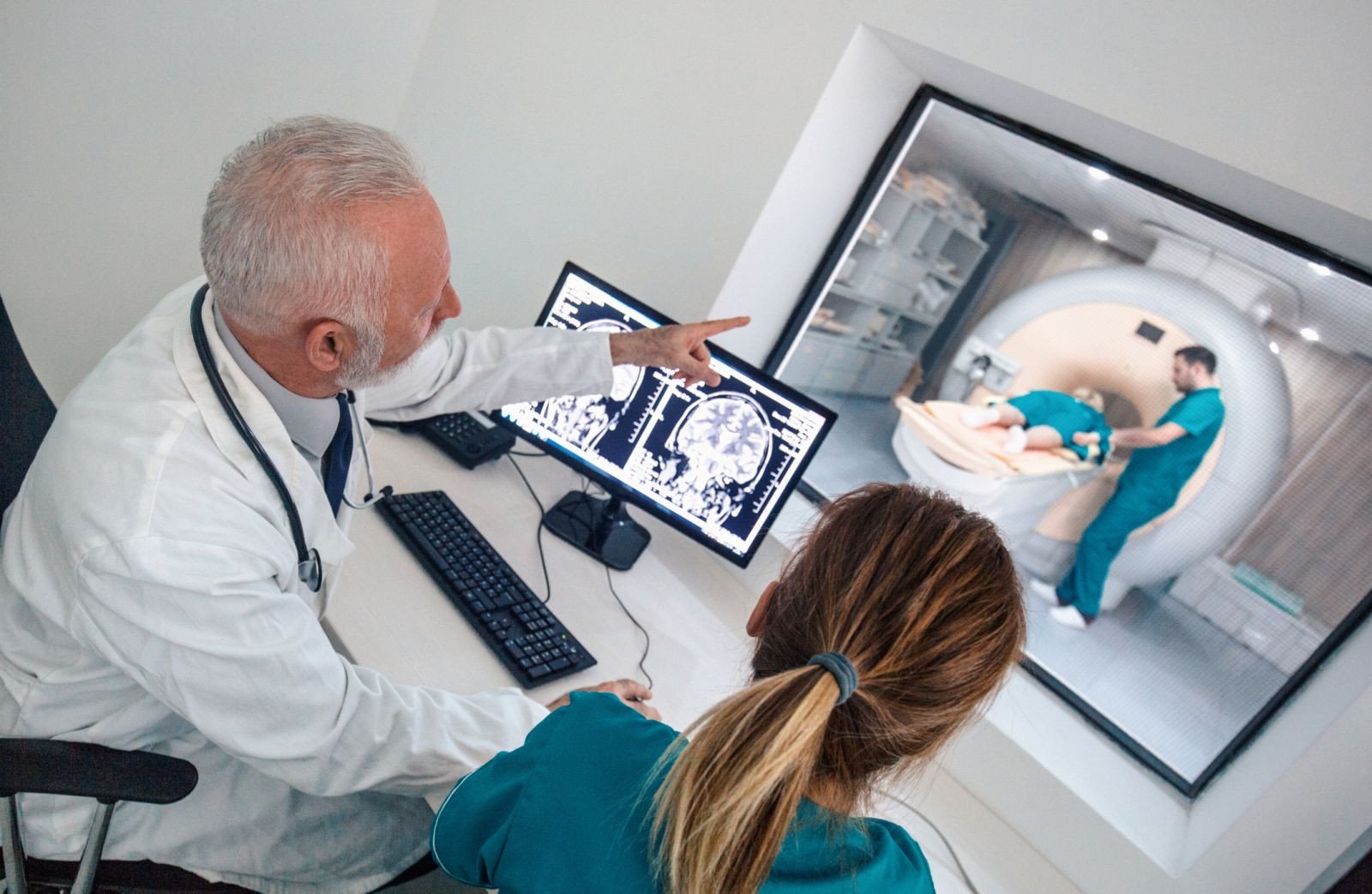
Practical, hands-on training sessions allow healthcare professionals to engage directly with the equipment. Simulation-based training can be particularly effective, providing a safe environment for staff to practise using devices without the risk of harming patients.
●Continuous education:
Workshops, seminars and online courses can help you acquire new skills relevant to your career. Continuous learning is crucial in today’s ever-evolving job market.
●Assessment and feedback:
Involve a variety of healthcare professionals in the training process, including nurses, doctors and technicians. This collaborative approach fosters a deeper understanding of how devices are used across different roles, enhancing teamwork and communication.
Conclusion
Training on medical devices is a vital component of modern healthcare. By prioritising comprehensive training programmes, healthcare organisations can ensure patient safety, improve treatment efficacy and maintain compliance with regulations. As technology continues to advance, investing in the education and skills of healthcare professionals will ultimately lead to better treatment outcomes and a more efficient healthcare system. Embrace the challenge of training; after all, it is an investment in the future of healthcare.